Lombok is our home. Trioffe is based on the island’s west coast, and most of the questions we get from friends and readers start the same way: is Lombok worth it if I am not climbing Rinjani? It is. The island has a volcano you can trek over two or three days, waterfalls an easy walk from the road, a south coast of empty bays and surf breaks, Sasak villages, and small islands that see a fraction of the Gili crowds.
2026 changed a few things. Rinjani fees went up at the end of 2025, the park restricted climbing during the dry-season fire risk in September 2026, and a fire in August 2026 destroyed the traditional houses of Sade, the best-known Sasak village. This guide reflects all of that, with prices we checked in November 2026 and honest notes on what is worth the drive.
In this guide11 sections
The 14, at a glance
- Trek Mount Rinjani — park fees plus an operator package, 2 to 4 days
- Tiu Kelep and Sendang Gile waterfalls — low cost, half a day
- Sembalun valley viewpoints — low cost, a sunrise or a day
- Tetebatu rice fields and the Benang waterfalls — low cost, a day
- Bukit Merese and Tanjung Aan at sunset — Rp 10,000 parking, an evening
- Learn to surf at Selong Belanak — mid cost, half a day
- Surf Gerupuk by boat — mid cost, a morning
- Beach-hop the south coast — low cost, a day
- MotoGP at Mandalika — tickets, a long weekend in late October
- Sasak villages and weaving — donation or low cost, half a day
- Bau Nyale festival — free, one night in February or March
- Sekotong and the secret Gilis — mid cost, a full day
- The Gili Islands — mid cost, a day or more
- Sunset in Senggigi — free, an evening
How we chose and how to read the prices: we kept what is still worth it once you count the driving time and the heat. Prices are for foreign adults in rupiah (IDR), with US dollars at roughly Rp 17,000 to the dollar. Tour prices come from operators’ public listings and change with group size and pick-up point.
Mount Rinjani and the north
1. Trek Mount Rinjani
Sembalun, Senaru, Timbanuh, Tetebatu or Aik Berik trailheads · park fee Rp 150,000 to 250,000 a day for foreigners, plus a licensed operator · 2 to 4 days · April to December
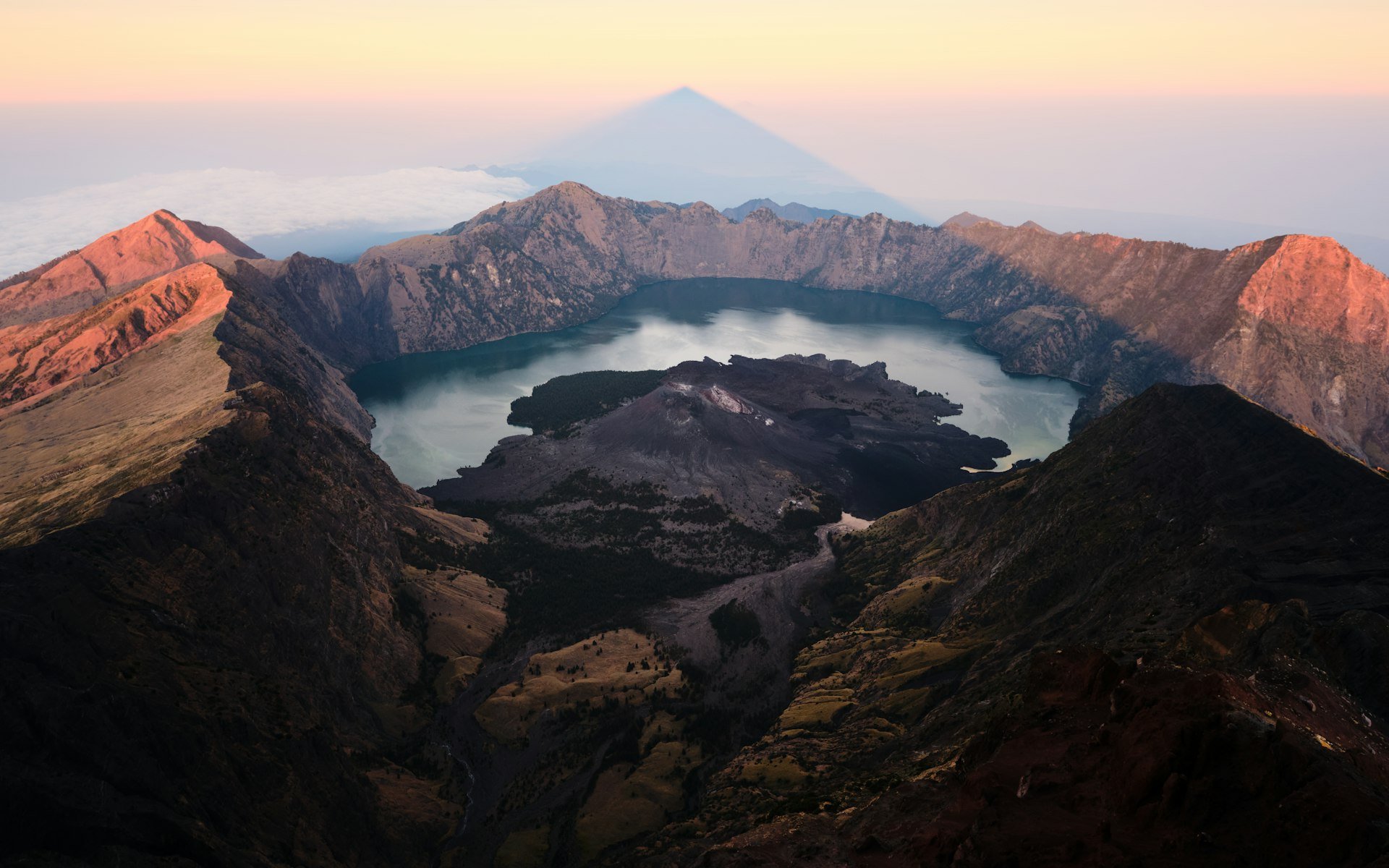
Rinjani is Indonesia’s second-highest volcano at 3,726 m. The classic trek climbs to the crater rim, drops to the Segara Anak lake and its hot springs, and offers a pre-dawn push to the summit, with Bali and Sumbawa on the horizon. Shorter options stop at the crater rim and come back the next day.
The rules are stricter than a few years ago. Every trekker must register through the official eRinjani app, carry a medical certificate issued the day before, and have insurance, and trips run with registered guides and porters. Since 3 November 2025, foreign visitors pay Rp 150,000 to 250,000 per day, depending on the route and the day.
Why go: few treks in Southeast Asia combine a crater lake, hot springs and a summit sunrise.
Worth knowing: the park closes every rainy season; in 2026 it was shut from 1 January and reopened on 1 April. In September 2026 climbing was limited because of fire risk, a fire broke out near the Torean route on 22 September, and Senaru reopened on 3 October. Five routes were operating again in October: Sembalun, Senaru, Timbanuh, Tetebatu and Aik Berik. Check eRinjani before you plan, and choose an operator that lists exactly what its price covers.
2. Tiu Kelep and Sendang Gile waterfalls
Senaru, North Lombok · small entrance fee at the official booth, local guide optional · half a day · morning
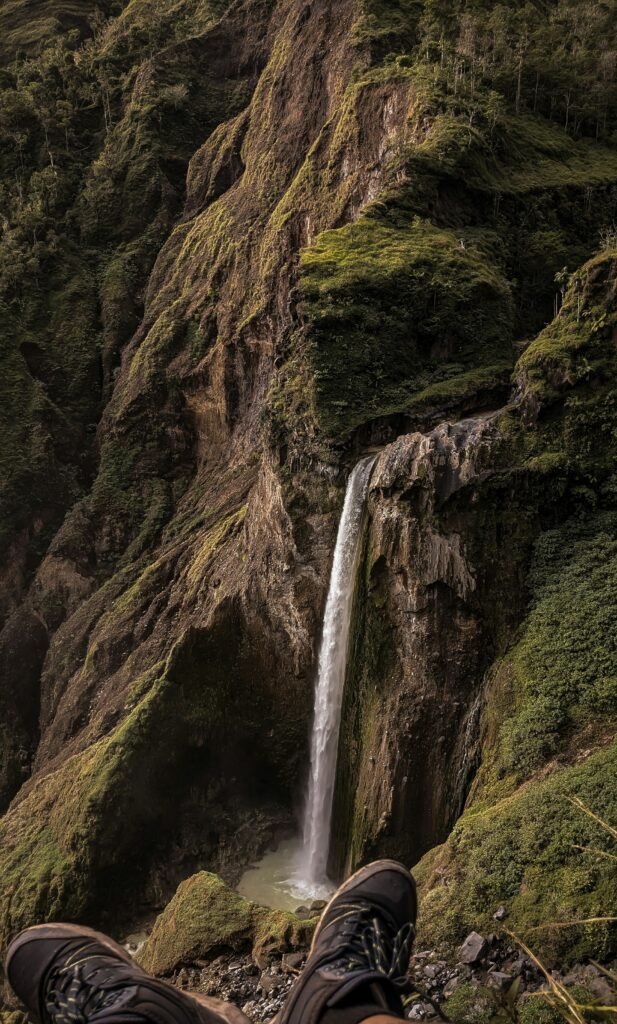
Two of Lombok’s best waterfalls sit just below Senaru village, the northern gateway to Rinjani. Sendang Gile is a short walk down from the road. Tiu Kelep is about 20 minutes further along a jungle path with a river crossing, and its pool is deep enough to swim in.
Why go: big falls with very little effort, even if you never climb the volcano.
Worth knowing: pay only at the official ticket booth; travellers report unofficial collectors on the way in. Senaru is roughly two and a half hours from Mataram, so stay a night nearby or combine it with Sembalun. Wear shoes that can get wet.
3. Sembalun valley viewpoints
Sembalun, East Lombok · small entry fees · a sunrise or a full day · dry season
Sembalun is a high, cool valley on the east side of Rinjani, ringed by green hills and farm plots. Short hikes to hills such as Bukit Selong and Pergasingan give sunrise views over the valley and the volcano without a multi-day trek.
Why go: the mountain scenery of Rinjani in a morning.
Worth knowing: nights are cold by Lombok standards, so bring a jacket. Some hills lie inside the national park and follow its opening rules, so check before you go during the closure months.
4. Tetebatu rice fields and the Benang waterfalls
Central Lombok · low cost, village guides by the hour · a full day · morning
Tetebatu is a village of terraced rice fields on the southern slopes of Rinjani, with homestays, walking trails and views of the volcano on clear mornings. Further west near Aik Berik, the twin falls of Benang Stokel and Benang Kelambu make an easy add-on.
Why go: green, slow Lombok, far from the beach crowds.
Worth knowing: hire a local guide for the rice-field walks; paths cross private land. Combine Tetebatu with Sukarara on the way back south.
The south coast: Kuta and Mandalika
5. Bukit Merese and Tanjung Aan at sunset
East of Kuta · Rp 10,000 parking · an evening · last two hours of daylight
Merese is a grassy headland between Tanjung Aan and the next bay west. A ten-minute walk up gives you the classic view of the south coast, with cows grazing the slopes and the sun dropping behind the hills. Swim at Tanjung Aan first: its sand is coarse and pale, and the water is calm in the main bay.
Why go: the best easy sunset near Kuta.
Worth knowing: bring water and something to eat; stalls are at Tanjung Aan, not on the hill. The area is busy around sunset in high season.
6. Learn to surf at Selong Belanak
30 minutes west of Kuta · lessons sold online from about US$40 per person with transfers, less if you book on the beach · half a day · morning
Selong Belanak is a wide, curving bay with a gentle sand-bottom beach break, which makes it one of the easiest places in Indonesia to stand up for the first time. Schools line the beach and rent boards by the hour.
Why go: soft waves, white sand, and a safe first lesson.
Worth knowing: book the morning before the wind picks up, use plenty of reef-safe sunscreen, and stay inside the area the instructors mark out.
7. Surf Gerupuk by boat
Gerupuk, 15 minutes east of Kuta · boat to the breaks plus a guide or lesson · a morning · early
Gerupuk Bay has several breaks reached by small boat, from the gentle reef at Inside, suitable for progressing beginners, to faster waves further out for experienced surfers. Local boatmen and surf schools take you out and wait while you surf.
Why go: proper reef waves without a long paddle.
Worth knowing: the reef is shallow on lower tides; go with someone who knows the spot, and leave early for fewer people in the water.
8. Beach-hop the south coast
West and east of Kuta · parking fees of a few thousand rupiah · a full day · dry season
Drive west from Kuta and the coast turns into a run of bays: Mawun for calm swimming, Selong Belanak for the long sand, and smaller coves beyond. East of Kuta, past Gerupuk, the roads lead to quieter beaches and, much further, to the reddish sand of Pink Beach near Sekaroh.
Why go: some of the emptiest beaches in Indonesia, a short ride from a café town.
Worth knowing: currents can be strong on open beaches; swim where locals swim. Pink Beach is a long day from Kuta and easier as a boat trip.
9. MotoGP at Mandalika
Pertamina Mandalika International Circuit · grandstand and VIP tickets · a long weekend · 29 to 31 October 2027
The Indonesian Grand Prix runs on a circuit built along the Kuta coast. The 2026 race was held on 9 to 11 October, and the 2027 calendar published in September 2026 puts it on 29 to 31 October, with the main race on Sunday 31 October.
Why go: one of the most scenic tracks on the calendar.
Worth knowing: hotel prices around Kuta rise sharply that week; book early, or stay further away and arrange transport.
Sasak culture
10. Sasak villages and weaving
Central Lombok · donation or small fees · half a day · morning
Sade, the most visited Sasak village, was hit by a fire on 22 August 2026 that destroyed its traditional houses, and a recovery effort is under way with government and private support. The province has promoted Ende, Bayan, Sukarara and Pringgasela as other places to experience Sasak life. Sukarara, about 30 minutes from the airport, is the weaving village: you can watch women weave songket, try the loom and buy directly from the makers.
Why go: to see the Sasak culture that shapes the island, not just its beaches.
Worth knowing: entry to Sade has long been by donation through village guides. Ask about Sade’s status before going, and buy fabric directly from weavers rather than through middlemen.
11. The Bau Nyale festival
South coast beaches around Kuta · free · one night, usually February or March
Each year, Sasak communities gather on the south coast before dawn to catch nyale, colourful sea worms linked to the legend of Princess Mandalika, who is said to have thrown herself into the sea rather than choose between rival suitors. The date is set by traditional leaders in the Sangkep Warige ritual; in 2026 the peak fell on 7 and 8 February, with a cultural carnival on Kuta Beach beforehand.
Why go: a living tradition, not a show staged for visitors.
Worth knowing: the date is usually announced in December. Beaches are crowded that night, so arrive early and keep an eye on your belongings.
The west coast and the islands
12. Sekotong and the secret Gilis
Southwest Lombok · day trips from about Rp 400,000 per adult with your own transport, Rp 700,000 and up for a private boat · a full day · dry season
The southwest peninsula is quieter than the famous Gilis to the north. Boats leave from the Sekotong coast for Gili Nanggu, Gili Sudak and tiny Gili Kedis, with snorkelling over reefs and long sandbars. Packages with hotel pick-up from Senggigi or Kuta cost more.
Why go: clear water and few people.
Worth knowing: facilities are basic; bring cash, water and sun protection, and check what the price includes before you pay.
13. The Gili Islands
Northwest of Lombok · fast boats from the northwest coast · a day or several · April to October
Trawangan, Meno and Air sit a short boat ride off Lombok’s northwest coast, with turtles, diving, cycling and sunsets, and no motor vehicles. We cover them in detail in our guide to the best things to do in the Gili Islands and our comparison of Gili Trawangan, Gili Air and Gili Meno.
Why go: easy island time without leaving the region.
Worth knowing: stay at least one night; a day trip spends much of its time on boats and transfers.
14. Sunset in Senggigi
West coast, 20 minutes north of Mataram · free · an evening
Senggigi is the older resort strip on the west coast, facing Bali across the strait. Watch the sun set behind Mount Agung from the beach, from the Pura Batu Bolong temple on its rock, or from the Malimbu viewpoints on the coast road north.
Why go: the easiest sunset on the island, close to the city and the Gili boats.
Worth knowing: dress respectfully at the temple, and drive the coast road in daylight; it is narrow and winding.
When to go
The dry season, roughly May to October, is the best time for beaches, boats and Rinjani; July and August are the busiest months. December to February brings rain, rough crossings to the islands, and the annual Rinjani closure, which in 2026 ran from 1 January to 31 March. September and October can bring fire-season restrictions on the volcano, as they did in 2026. Waterfalls are at their fullest in the wet months, when the beaches are at their quietest.
Getting around
Lombok International Airport sits in the centre-south of the island, about 25 minutes from Kuta. Most visitors rent a scooter for short trips around Kuta or Senggigi and hire a car with a driver for longer days to Senaru, Sembalun or Sekotong. Roads are generally good on the main routes but narrow and steep in the hills, and distances take longer than the map suggests. Build in time for prayer-time traffic in villages and for animals on the road.
Sample itineraries
Three days
Day one in Kuta: Tanjung Aan swim and Merese sunset. Day two: a surf lesson at Selong Belanak in the morning and beach-hopping to Mawun in the afternoon. Day three: Sukarara weaving on the way north, then the Tiu Kelep waterfalls, with a night in Senaru or Senggigi.
Five days
Add a day in Sembalun or Tetebatu for sunrise views and rice fields, and a day trip to Sekotong and the secret Gilis.
Seven days or more
Add a two- or three-day Rinjani trek in season, or two nights on Gili Air or Gili Meno. If you are comparing islands for your trip, our guide to Lombok vs Bali covers the trade-offs.
Where to stay
Kuta is the base for beaches and surf, Senggigi for the west coast and the Gili boats, and Senaru, Sembalun or Tetebatu for the mountains. Our guide to where to stay in Lombok compares each area, and our list of the best boutique hotels in Lombok has the places we would book.
Staying safe
Rinjani is a serious mountain. Accidents in 2025 led the park to close all routes for ten days in August that year and to tighten its rules, and the summit section is steep, loose and exposed. Trek only with a registered operator, turn back if the weather turns, and do not leave the marked trail for photos. On the coast, the open surf beaches can have strong currents, so swim where locals swim and ask before you go in. Wear a helmet on a scooter, and drink more water than you think you need.
Planning to climb the volcano? Our Mount Rinjani trek guide explains the routes, the 2026 park fees and safety rules, and what a licensed trek really costs.
Frequently asked questions
Is Mount Rinjani open?
In November 2026 five routes were operating after the fire-season restrictions. The park closes every year in the rainy season; in 2026 that was from 1 January to 31 March. Check the eRinjani app before booking.
How many days do you need in Lombok?
Three days covers the south coast and the waterfalls. Five to seven days lets you add the mountains, Sekotong or the Gilis, or a Rinjani trek.
Can I enjoy Lombok without climbing Rinjani?
Yes. The waterfalls at Senaru, the Sembalun viewpoints and the Tetebatu rice fields give you the mountain scenery in a day, and the south coast has some of the emptiest beaches in Indonesia.
Is Sade village open after the fire?
A recovery is under way after the August 2026 fire. Ask locally about its status, or visit Ende or the weaving village of Sukarara instead.
Is Lombok good for beginner surfers?
Very. Selong Belanak’s sand-bottom break is ideal for first lessons, and Gerupuk’s Inside break suits beginners ready for a reef wave.
When is MotoGP at Mandalika in 2027?
The provisional 2027 calendar puts the Indonesian Grand Prix on 29 to 31 October 2027.
Prices, fees and rules were checked in November 2026 and change often, especially on Rinjani. Confirm details with official sources and your operator before you go.
Newsletter
New stays and deals, once a month
Our latest hotel guides, new destinations and selected partner deals in Southeast Asia. No spam, unsubscribe anytime.